Choosing between an electric vs manual callus remover comes down to four things: how fast you want results, how much control you have over the tool, what it costs over time, and how smooth the finish is. This guide compares electric files against pumice stones and metal rasps on each, so you can pick the right one for your feet.
The contenders
When people weigh up an electric vs manual callus remover, "manual" usually means one of two tools, so we will treat three options throughout:
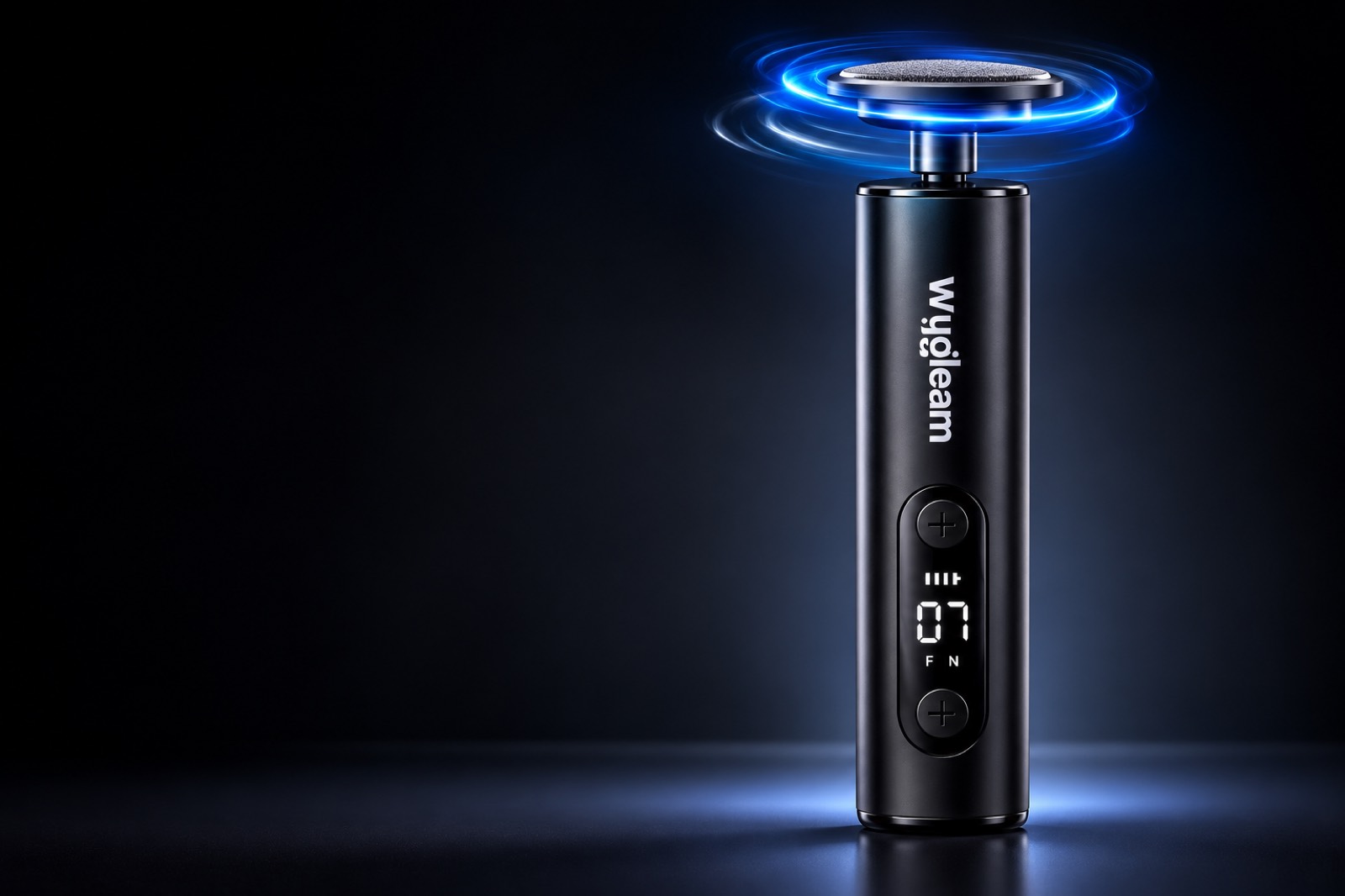
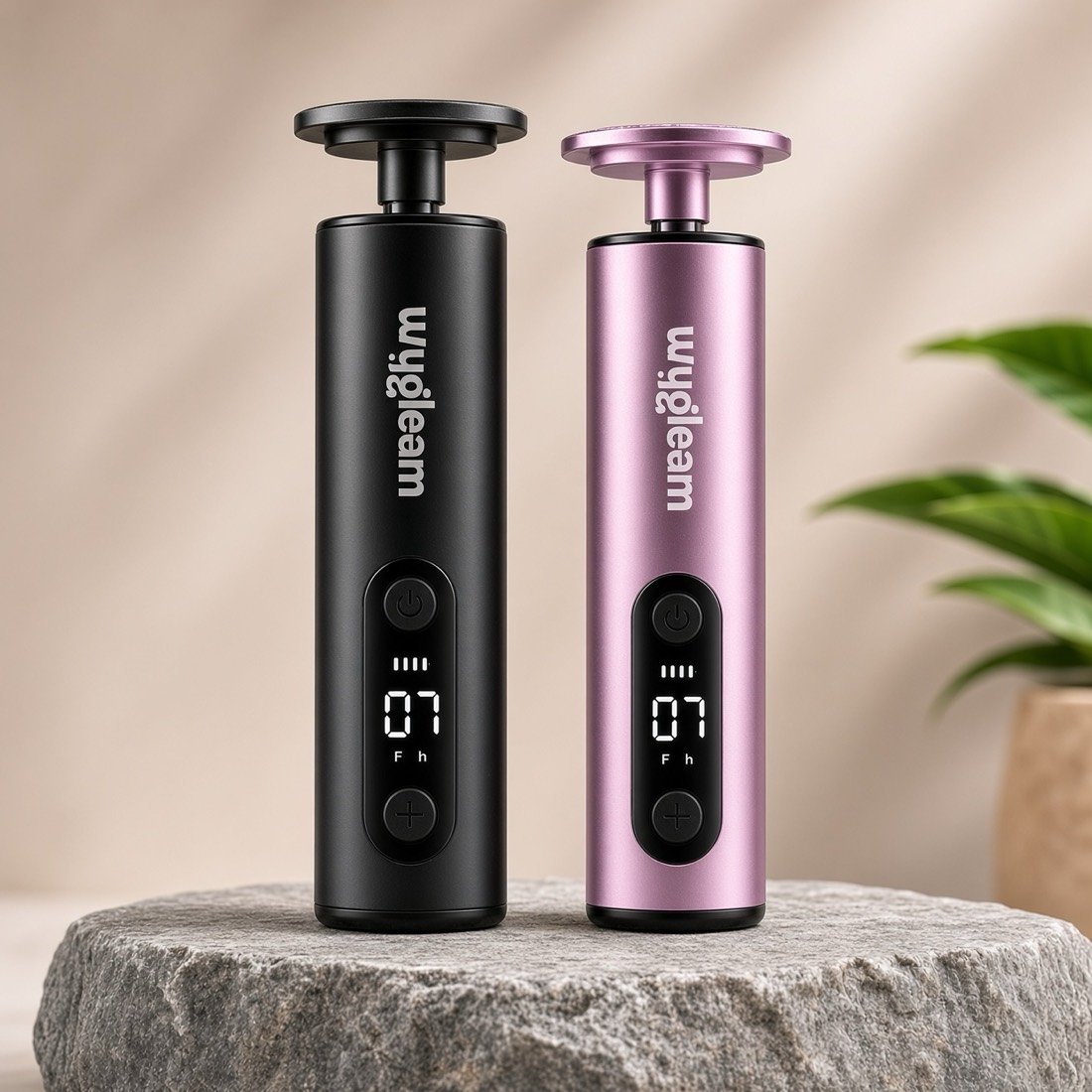
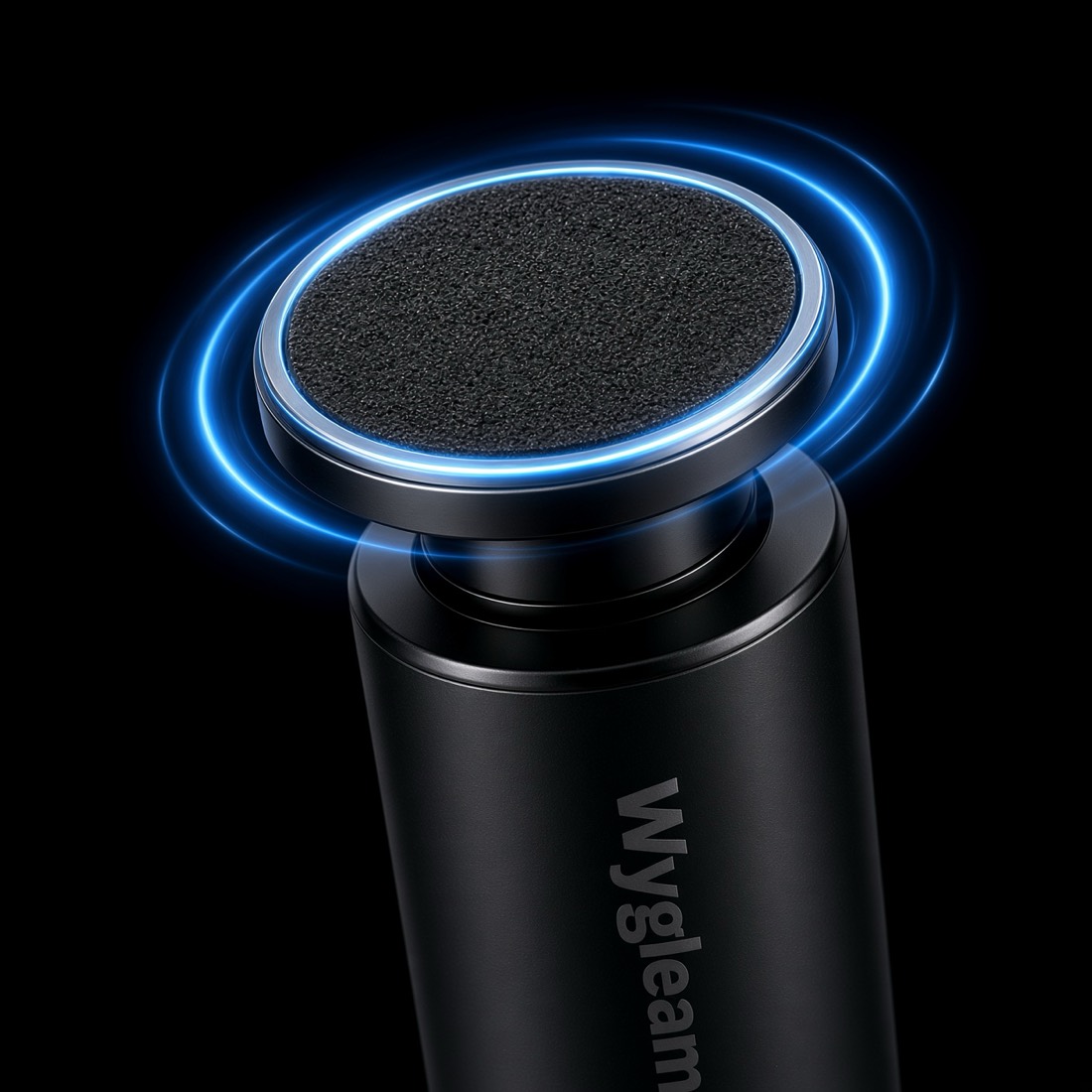
- Electric callus remover — a battery-powered handle with a rotating sanding roller or disc. It sands away hardened skin mechanically while you guide it. Better models, like the Wygleam 2-in-1 electric callus remover, add adjustable speeds, dual rotation and swappable grit.
- Pumice stone — a porous volcanic stone (or synthetic equivalent) used wet to rub away softened dead skin. The cheapest, gentlest option.
- Metal foot file / rasp — a handled file with an abrasive metal surface. Faster than pumice, but the least forgiving.
Each has a place. The question is which fits your feet, your patience and your budget.
Round 1 — Speed & effort
This is the clearest win for electric. A motorised head sands continuously, so a build-up that takes ten minutes of hard rubbing with a pumice stone is handled in two or three minutes with almost no arm effort. That matters most for the back of the heel, which is physically awkward to reach and scrub by hand — you end up contorting to get leverage with a manual tool.
A metal rasp is faster than pumice but still relies entirely on your own force and stroke, so thick calluses mean real elbow grease. For anyone with limited grip strength, wrist pain, or simply no appetite for a workout on the bathroom floor, the electric option removes the effort as well as the skin.
Winner: Electric, by a wide margin on both speed and effort.
Round 2 — Safety & control
This round is more nuanced, and it is where manual tools claw back points. A pumice stone is almost impossible to injure yourself with — it works slowly, so you would have to try very hard to over-do it. That makes it a sensible choice for thin skin or nervous first-timers.
A metal rasp is the least safe of the three: because it cuts fast and depends on hand pressure, it is the easiest to over-file, leaving tender or raw skin. An electric remover sits in between — and crucially, a good electric remover is designed with safety built in. Adjustable speeds let you start slow, and many are engineered to roll over rather than gouge the skin. The key habit with any powered tool is to keep it moving and never hold it in one spot.
Whatever you choose, a callus remover is a cosmetic grooming tool, not a medical device. If you have diabetes, neuropathy, poor circulation or reduced sensation in your feet, talk to a doctor or podiatrist before filing calluses at home.
Winner: Pumice for pure fool-proofness; electric for the best balance of safety and effectiveness once you use a steady, moving technique. The metal rasp comes last.
Round 3 — Results & finish
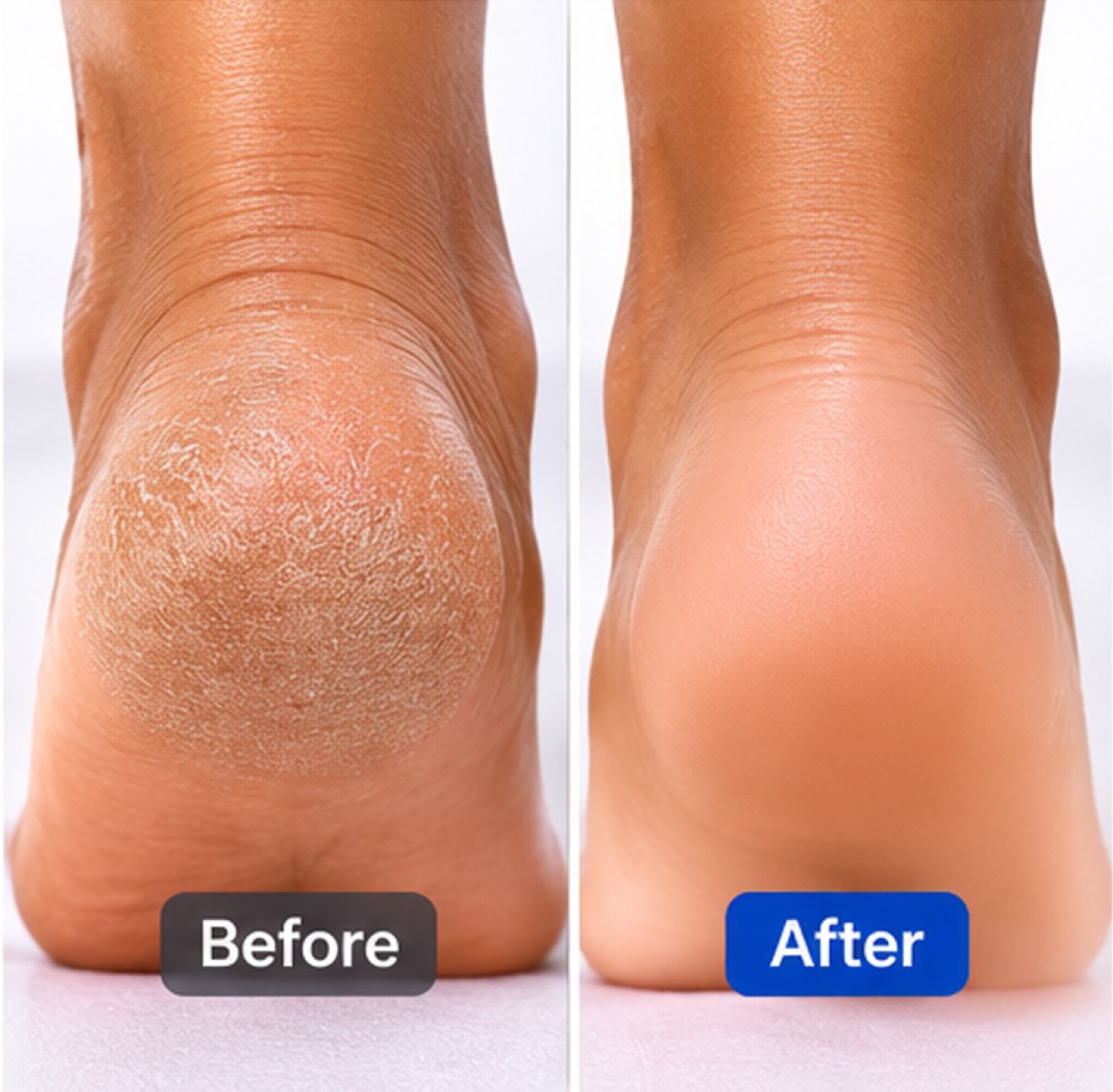
Pumice stones produce a smooth but modest result — great for maintenance, underwhelming on thick, established calluses. A rasp can take a lot off quickly but tends to leave a rougher, less even surface, and it is easy to create dips where you pressed harder.
An electric remover with interchangeable grit gives the most consistent, salon-like finish: a coarser disc for the bulk of a thick callus, a finer one to buff the surface smooth. Because the head rotates evenly, you avoid the uneven patches a hand stroke can leave. If "smooth, finished heels" is the goal rather than just "less callus," the powered tool delivers it most reliably.
Winner: Electric, especially models with multiple grit options.
The real alternative isn't a pumice stone — it's a monthly salon bill.
Round 4 — Cost over time
A pumice stone costs very little up front and lasts a long time, so on pure price it wins. A metal rasp is similarly cheap. An electric remover costs more initially and needs occasional replacement sanding discs or rollers.
But look at the fuller picture. The real alternative many people are comparing against is a salon pedicure, which can cost more in a single visit than an electric remover costs outright — and you would repeat that visit monthly. Seen that way, a one-off device that handles callus care at home for a year or more is the economical choice, not the expensive one. Kits that include plenty of replacement discs (the Wygleam kit ships with 20) push the running cost down further.
| Factor | Electric remover | Pumice stone | Metal rasp |
|---|---|---|---|
| Speed | Fast | Slow | Medium |
| Effort | Very low | High | High |
| Control / safety | Good (with speeds) | Excellent | Low |
| Finish on thick calluses | Smooth, even | Modest | Uneven |
| Up-front cost | Higher | Lowest | Low |
| Best for | Thick build-up, reaching heels, consistent results | Light maintenance, sensitive skin | Quick manual removal |
The verdict: which should you buy?
For most people with genuine callus build-up who want fast, smooth, repeatable results with minimal effort, an electric callus remover is the better tool — provided you choose one with adjustable speeds and use a light, moving technique. It wins on speed, effort and finish, and pays for itself against salon visits.
Stick with a pumice stone if your skin is thin or sensitive, if you only need light weekly maintenance, or if you simply prefer the slow, no-risk approach. Skip the aggressive metal rasp unless you are confident with a very light hand.
Many people, in practice, use both: an electric remover for the real work and a pumice stone for quick touch-ups in the shower. If you want the full method, read our step-by-step guide on how to remove calluses from feet, and then how to use an electric foot file for technique.
What to look for in an electric callus remover
If you decide the electric route is right for you, the model you pick matters — a cheap device with one speed and a flimsy head gives powered tools a bad name. These are the features that separate a good electric callus remover from a disappointing one:
Adjustable speeds
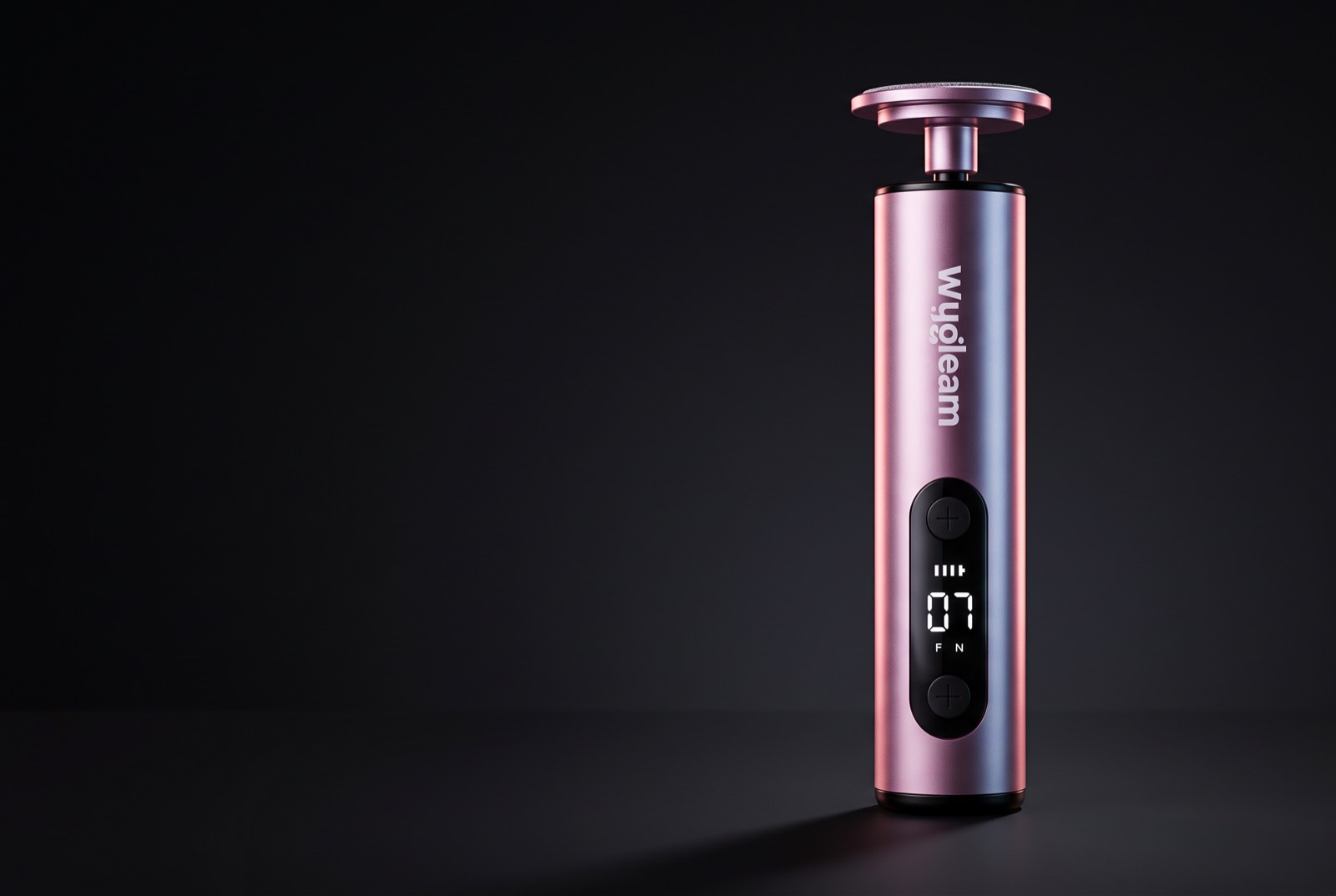
At minimum you want two speeds, ideally three. A low setting lets you learn the tool and work sensitive areas safely; a higher one powers through thick heel build-up. A single-speed device forces a compromise. Dual rotation — the head turning both clockwise and counter-clockwise — is a bonus that makes it easier to file evenly on both sides of the foot.
Replaceable grit discs
The abrasive surface wears down with use. A device with easily swapped discs in more than one grit lets you use a coarse surface to reduce a callus and a finer one to buff it smooth — and keeps running costs low once the originals wear out. Kits that bundle plenty of spares (the Wygleam kit includes 20) save you hunting for refills later.
Build quality and grip
A metal or aluminium-alloy body feels balanced and controlled through a full session, where thin plastic can feel buzzy and cheap. A comfortable, non-slip grip genuinely matters when you are reaching around to the back of your own heel.
Cordless and rechargeable
A cordless, USB-C rechargeable device means no cable tangling around your hand and no hunting for a specific charger. Just make sure the battery holds enough charge for a full session, since a device that fades mid-use files unevenly.
A nail attachment
Many electric removers, including Wygleam, double as a nail file with a swappable head — useful if you want one tool for both calluses and nail finishing rather than two separate gadgets cluttering the bathroom.
Our pick for electric
Wygleam 2-in-1 Electric Callus Remover
Three speeds and dual rotation for control, an aluminium-alloy body that balances in the hand, 20 replacement grit discs for a smooth finish, and a nail file head as a bonus. Cordless and USB-C rechargeable. Choose Black or Pink on Amazon.
Frequently asked questions
Is an electric callus remover better than a pumice stone?
For thick calluses and for reaching the heel, yes — it is faster, takes less effort and gives a more even finish. A pumice stone still wins for pure safety and for light, gentle maintenance on sensitive skin, so the "better" tool depends on how much build-up you are dealing with.
Are electric callus removers safe?
A quality electric remover used correctly — low speed to start, light pressure, and keeping the head constantly moving — is safe for ordinary calluses. Avoid any at-home removal if you have diabetes, neuropathy or circulation problems, and never force the device into one spot.
Do electric callus removers hurt?
They should not. If you feel heat, tenderness or pain, you are pressing too hard or lingering in one place. The sensation should be a light buffing, not a scraping.
How often should I use an electric callus remover?
A light session every one to two weeks is plenty for most people, with daily moisturising in between. Removing a little regularly beats clearing a thick callus all at once.
Electric or manual for a beginner?
A beginner can start safely with either. A pumice stone is the most forgiving learning tool; an electric remover is just as beginner-friendly if you use the lowest speed and build up confidence gradually. Avoid the metal rasp until you have a feel for how little pressure is needed.