If you want to know how to remove calluses from feet without a trip to the salon, the good news is that most build-up responds well to a simple, consistent at-home routine. This guide covers why calluses form, the five methods that actually work, a safe step-by-step routine, and — just as importantly — how to stop them coming back.
What a callus actually is
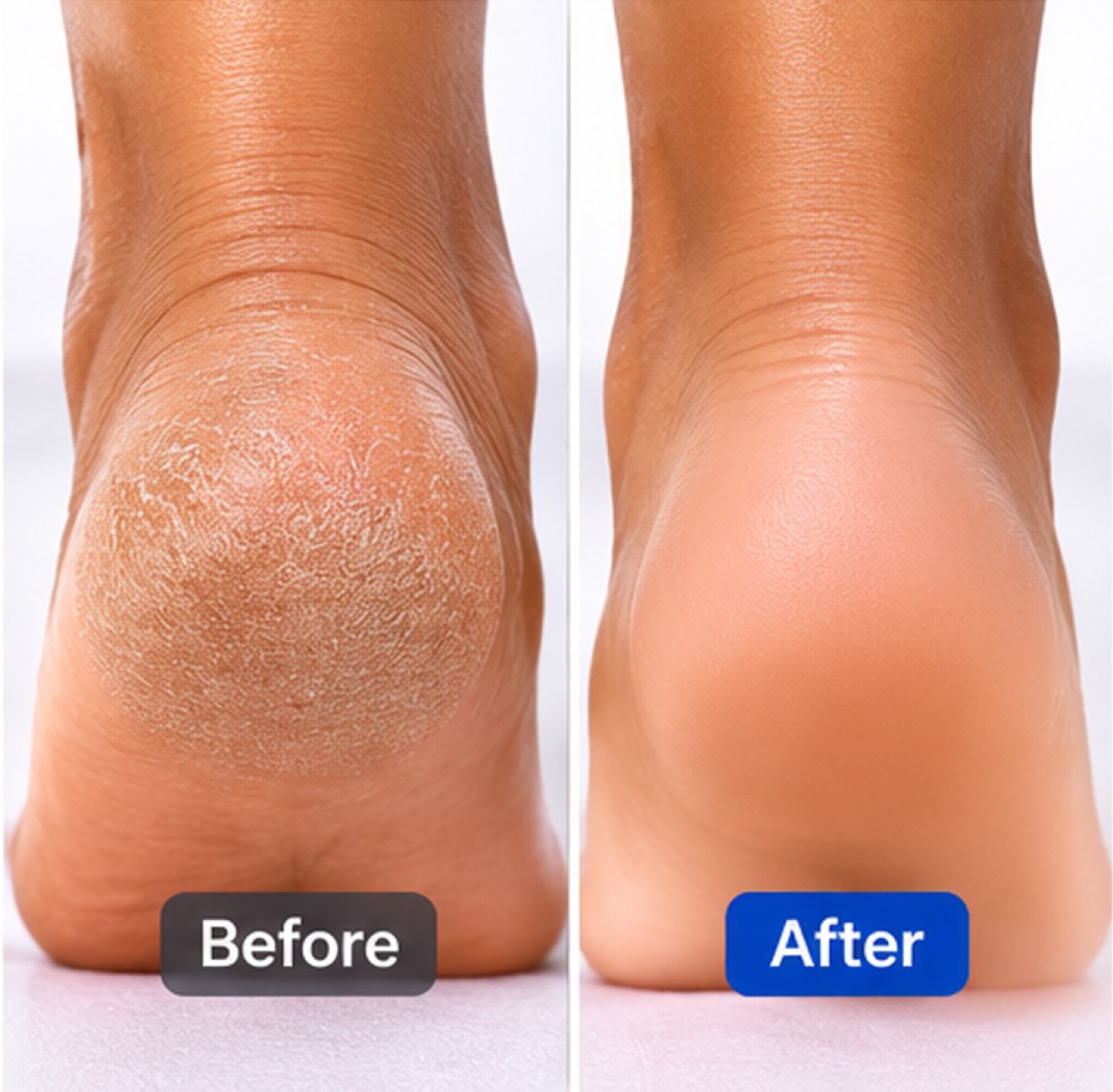
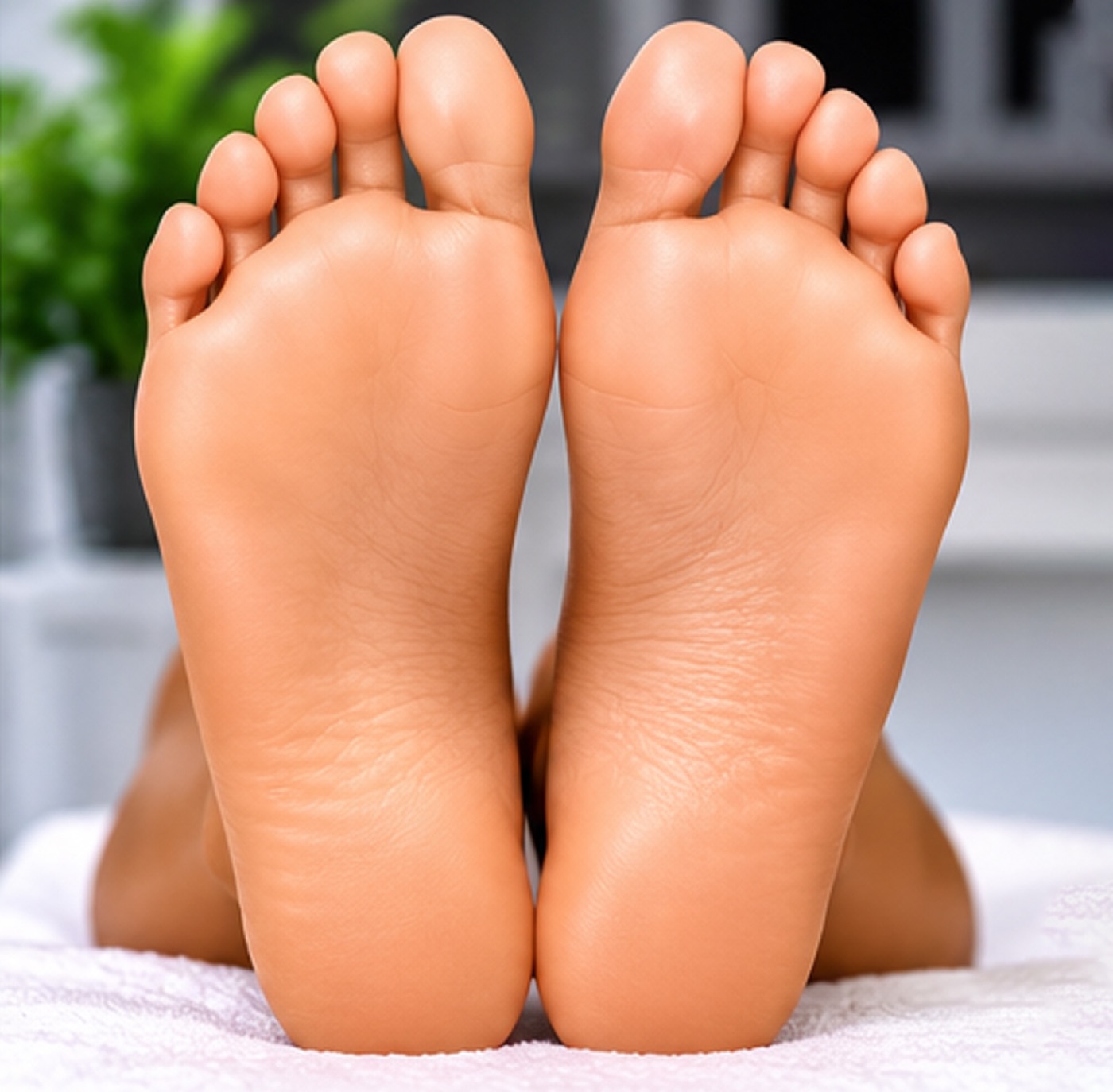
A callus is a patch of thickened, hardened skin that forms to protect an area from repeated friction or pressure. On the feet it usually shows up on the heels, the balls of the feet, and along the edges of the big and little toes. Unlike a corn — which is smaller, often has a hard central core, and tends to hurt when pressed — a callus is broader, flatter and generally painless, though a thick one can feel tight or rough and crack over time.
Calluses are your skin doing its job. The problem is cosmetic and practical rather than medical for most people: they snag on socks, feel rough, and once they get thick enough the dry surface can split into painful cracks around the heel. That is why learning how to remove calluses from feet safely — a little at a time — matters more than trying to blitz them all in one aggressive session.
Why calluses form on your feet
Build-up is almost always a response to pressure. The most common triggers are:
- Footwear that rubs. Shoes that are too tight, too loose, or have hard seams create friction hot-spots. Going barefoot or wearing backless shoes often thickens the heels.
- How you walk and stand. If your weight falls more heavily on one part of the foot — the outer edge, the ball — that area toughens up to cope.
- Dry skin. Dehydrated skin hardens faster and cracks more easily, so calluses and dry heels usually travel together.
- Time on your feet. Standing jobs, long walks and high-impact exercise all add up.
- Foot shape and bunions. Any spot where a bone sits closer to the surface takes more pressure and builds more skin.
Remove the callus but not the cause, and it simply comes back.
Understanding your own trigger is useful, because removing the callus without changing what caused it means it will simply return. We come back to that in the prevention section.
5 proven ways to remove calluses from feet
There is no single "best" tool for everyone — it depends on how thick the callus is, how sensitive your skin is, and how much time you want to spend. Here are the five methods that genuinely work, roughly from gentlest to most efficient.
1. Soak and exfoliate
Warm water softens the top layers of hardened skin and makes everything that follows easier and safer. A 10–15 minute soak — plain warm water is fine, though a little Epsom salt or mild soap helps — is the foundation of almost every callus routine. On its own, regular soaking plus a gentle scrub with an exfoliating foot wash will slowly thin light build-up.
2. Pumice stone
The classic. After soaking, a wet pumice stone rubbed in small circles sloughs off softened dead skin. It is cheap and widely available, but it is slow on thick calluses, awkward to use on the back of your own heel, and can slip. We compare it head-to-head with powered options in our guide on electric vs manual callus removers.
3. Foot file or rasp
A manual foot file (sometimes a metal rasp) removes skin faster than a pumice stone. The trade-off is control: metal rasps in particular can take off too much too quickly, so they are easy to overdo. Use a light hand and check your progress constantly.
4. Electric callus remover
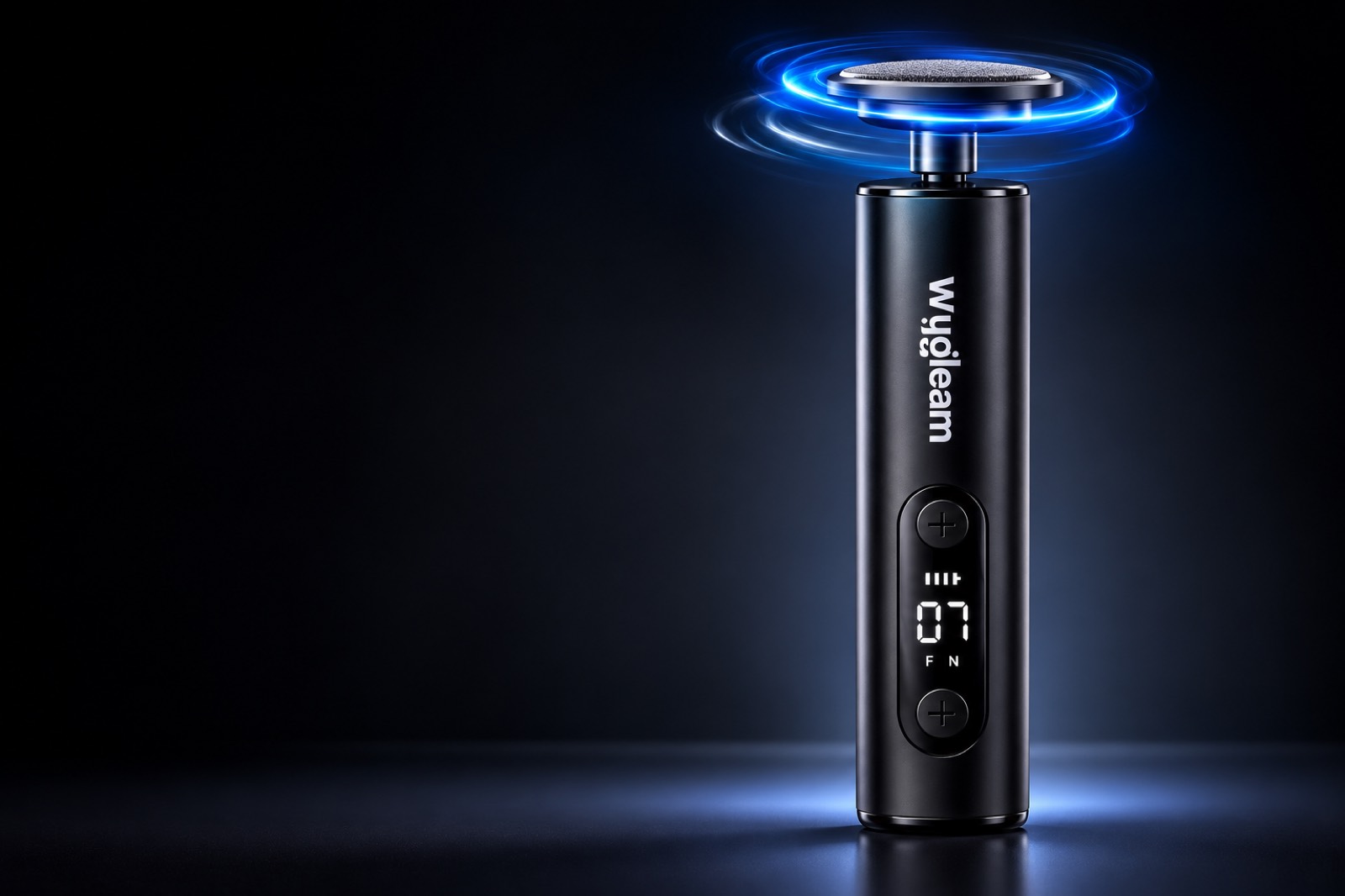
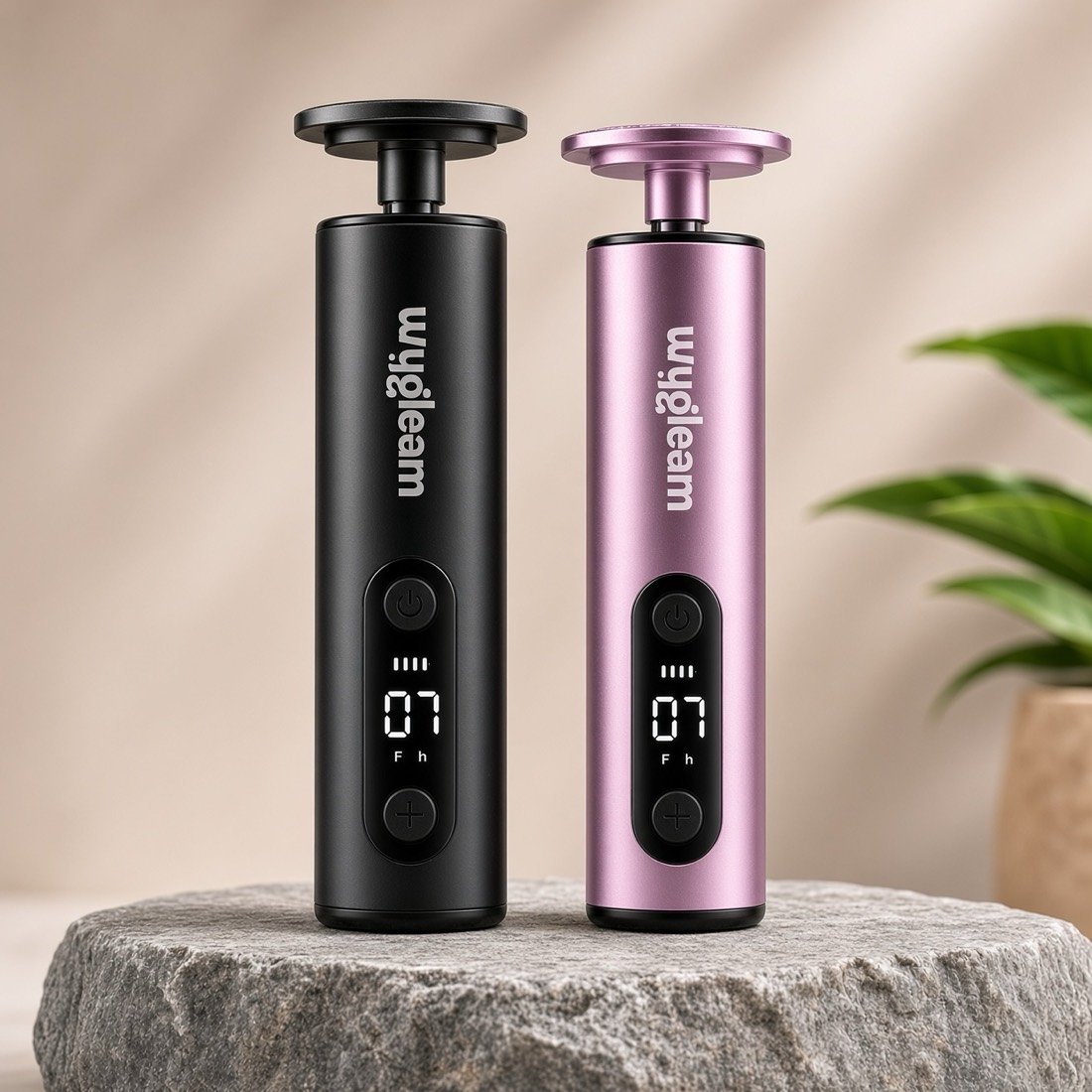
An electric callus remover — a motorised roller or sanding head — does the work of a file in a fraction of the time, with far less effort and, with a decent one, more consistent results. A quality device lets you pick a speed, keeps the head moving evenly, and reaches the back of the heel comfortably. This is the method most people settle on once they have tried the manual options, because it turns a 20-minute chore into a few minutes. The Wygleam 2-in-1 electric callus remover uses a dual-rotation sanding head with three speeds and swappable grit discs for exactly this.
5. Moisturising and keratolytic creams
Creams do not physically remove a callus, but they soften it and are essential for keeping skin smooth afterward. Look for urea (often 10–25%), salicylic acid, or lactic acid, which gently break down thickened skin over days of use. A heavier urea or ammonium-lactate cream applied nightly is the single best thing you can do between filing sessions.
Soak first, remove a thin layer with your chosen tool, then moisturise. Never try to clear a thick callus in one go — a little each week beats one aggressive session that leaves raw, sore skin.
A safe step-by-step at-home routine
Here is a complete routine that combines the methods above. It takes about 20 minutes and you can repeat it every one to two weeks.
- Soak for 10–15 minutes. Warm water, optionally with Epsom salt. This is the step most people skip and the one that makes everything else safe.
- Pat dry — but not bone dry. Slightly damp skin files more evenly than either soaking-wet or fully dried skin. If you are using an electric callus remover, check the manufacturer's guidance; many, including Wygleam, are designed for use on clean, dry skin rather than wet.
- Remove a thin layer. Using your pumice stone, file or electric remover, work over the callus in light passes. Keep the tool moving — holding it in one spot is what causes damage. Stop as soon as the surface feels smoother, even if some thickness remains.
- Check constantly. Wipe away dust and look. Pink, tender or warm skin means stop immediately. You are aiming to reduce the callus, not reach soft skin underneath in one sitting.
- Rinse and dry. Remove the filed dust so it does not irritate.
- Moisturise generously. Massage in a urea or lactic-acid foot cream. For deep repair on cracked heels, apply cream and sleep in cotton socks.
Repeat weekly or fortnightly. Because you are only taking off a little each time, the callus thins steadily and your skin never gets a chance to feel raw.
The tool for this routine
Wygleam 2-in-1 Electric Callus Remover
Cordless and USB-C rechargeable, with three speeds, dual-rotation sanding and 20 replacement grit discs — plus a nail file head. Built to take off build-up a controlled layer at a time, exactly as this guide describes. Available in Black or Pink on Amazon.
How to stop calluses coming back
Removal is only half the job. Because calluses are a response to pressure and dryness, prevention means addressing both:
- Moisturise daily. Hydrated skin thickens far more slowly. A nightly foot cream is the highest-leverage habit here.
- Fix the footwear. Shoes that fit properly, with enough room in the toe box and no hard rubbing seams, remove the friction that started the callus.
- Add cushioning. Gel pads, metatarsal cushions or orthotic insoles spread pressure away from the hot-spots that build the most skin.
- Keep up a light maintenance pass. A quick, gentle filing every week or two keeps build-up from ever getting thick enough to crack.
- Rotate your shoes. Wearing the same pair every day concentrates pressure in the same places.
Do these consistently and you shift from "removing calluses" to simply never letting them get established — which is the real goal.
Mistakes to avoid — and when to see a professional
The most common home-care mistakes all come from impatience:
- Cutting calluses with a razor or blade. This is the big one. Shaving skin at home risks cuts and infection — leave any cutting to a podiatrist.
- Over-filing in one session. Removing too much exposes tender skin and can make things worse than the callus ever was.
- Filing on dry, un-soaked, cracked skin with a harsh manual rasp, which tends to tear rather than smooth.
- Skipping moisturiser, which lets the skin re-harden immediately.
Home care is appropriate for ordinary, painless calluses. You should see a doctor or podiatrist instead if you have diabetes, neuropathy, poor circulation, or any loss of feeling in your feet, if a callus is painful, bleeding, discharging or inflamed, or if build-up keeps returning aggressively despite good footwear and care. For a reliable medical overview of corns and calluses, the Mayo Clinic is a trustworthy starting point. Wygleam devices are cosmetic grooming tools, not medical devices, so if any of the above applies to you, check with a professional before filing at home.
Frequently asked questions
How often should I remove calluses from my feet?
For most people, a light session every one to two weeks keeps feet smooth without irritating the skin. Daily moisturising sits in between. If you find yourself needing to remove thick build-up more often than weekly, the underlying cause — usually footwear or pressure — needs attention.
Should feet be wet or dry when removing calluses?
Pumice stones and manual files work best on skin softened by a warm soak. Many electric callus removers, including Wygleam, are designed for clean, dry skin instead — always follow the device's own instructions. Whichever you use, moisturise afterward.
Is it safe to remove calluses at home?
Yes, for ordinary painless calluses, as long as you remove skin gradually and never cut it with a blade. Avoid at-home removal and see a podiatrist if you have diabetes, neuropathy, reduced circulation, or any pain, bleeding or infection.
What's the fastest way to remove a thick callus?
An electric callus remover is the fastest safe option, because it sands evenly and lets you control speed and pressure. Even so, spread a very thick callus across two or three weekly sessions rather than forcing it in one — speed should come from the tool, not from taking off more at once.
Why do my calluses keep coming back?
Because the pressure or friction that created them is still there. Removing the callus treats the symptom; fixing footwear, adding cushioning and moisturising daily treats the cause. Pair removal with prevention and they stop returning.