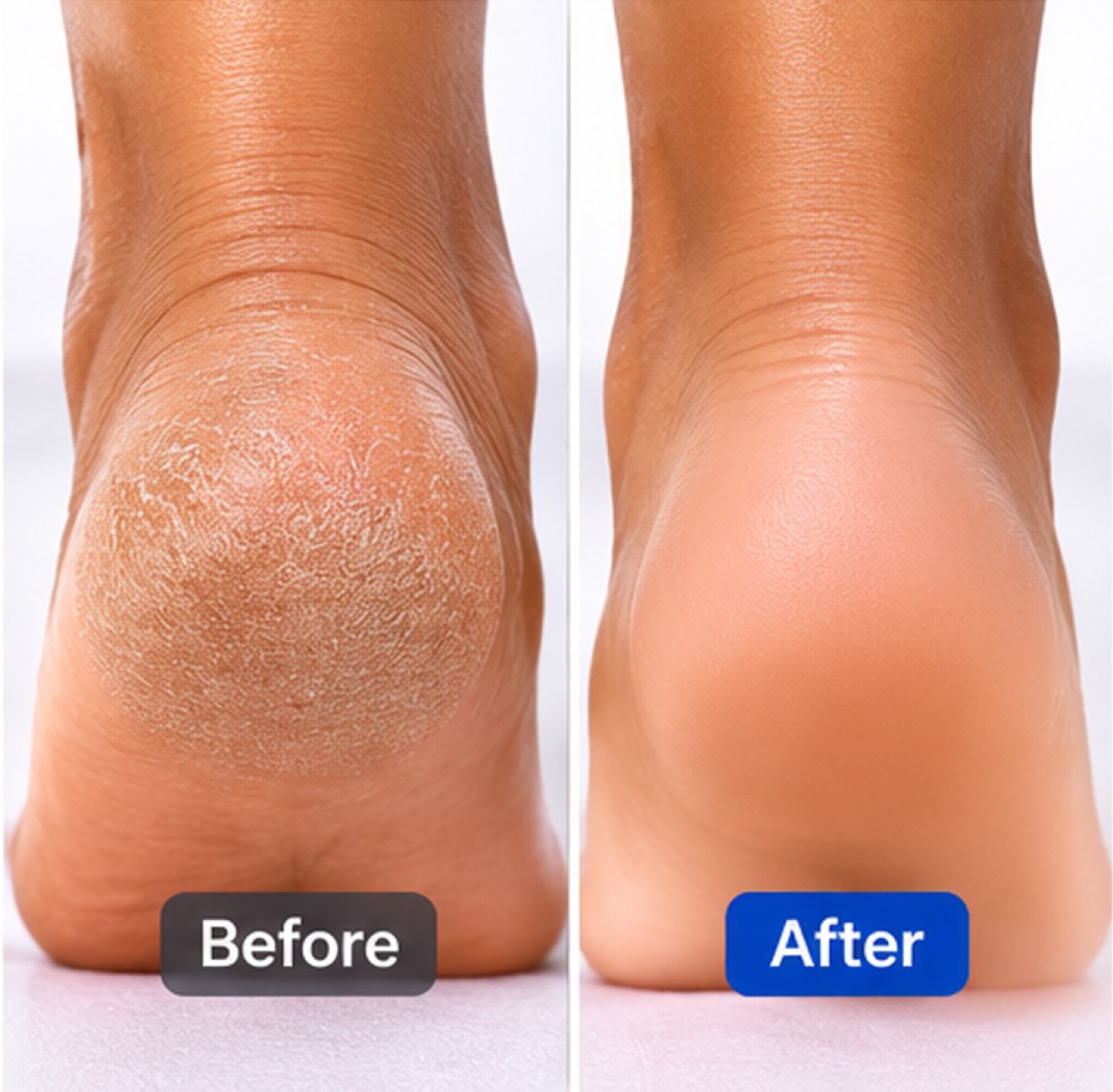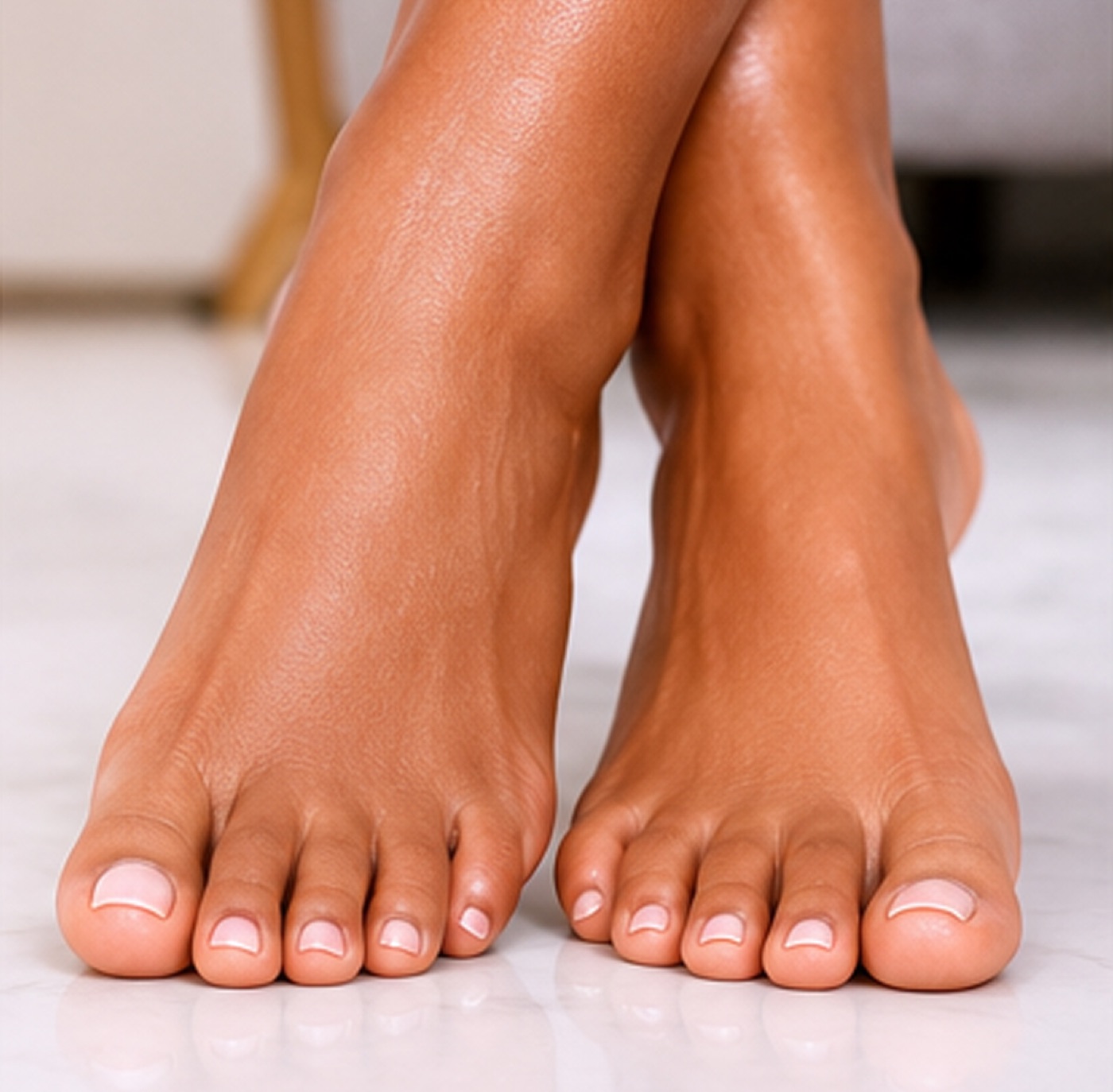
An electric foot file makes smoothing rough, callused skin quick and almost effortless — but only if you use it correctly. This step-by-step guide on how to use an electric foot file covers prep, the right speed, proper technique, aftercare, and the handful of mistakes that lead to over-filing or sore skin.
What an electric foot file does
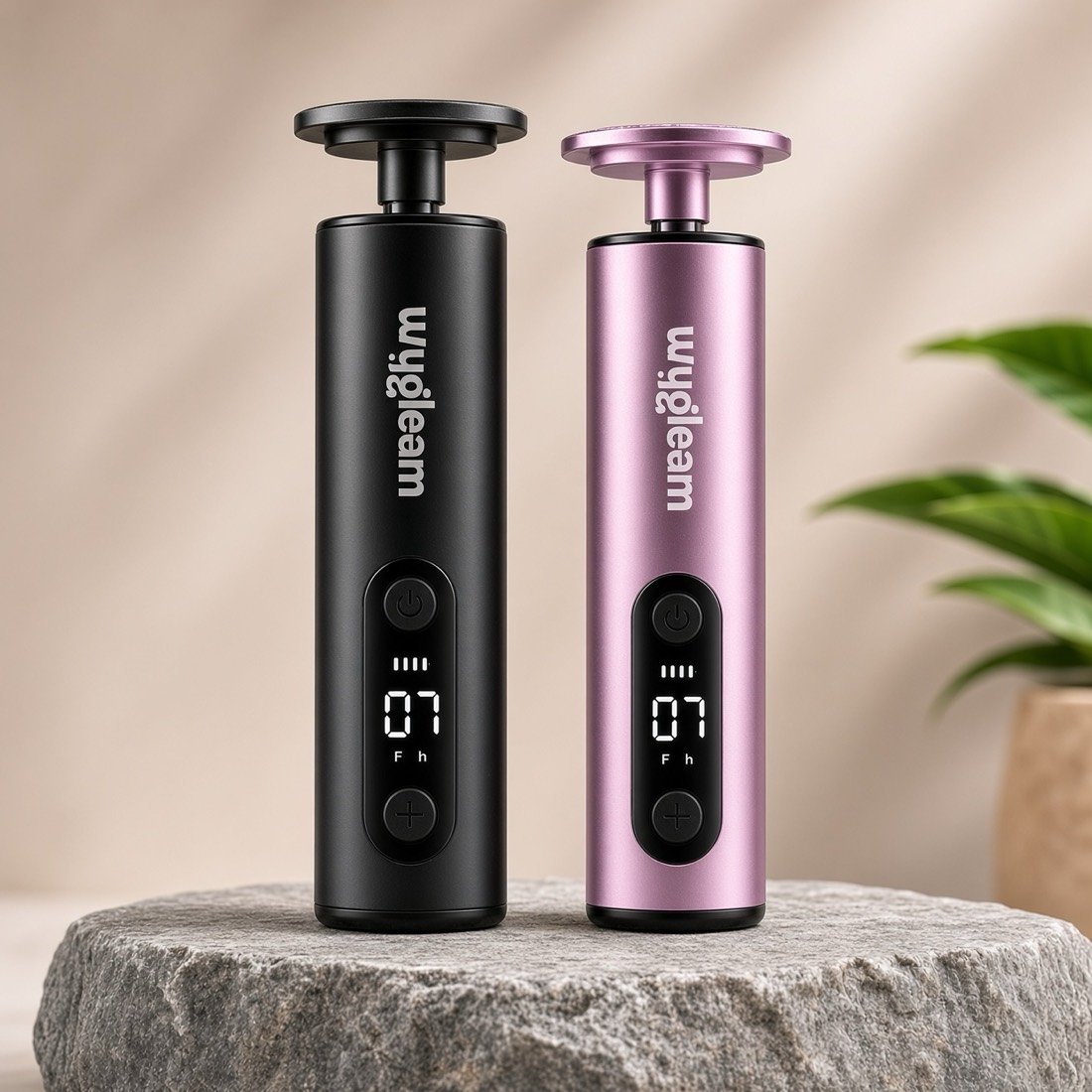
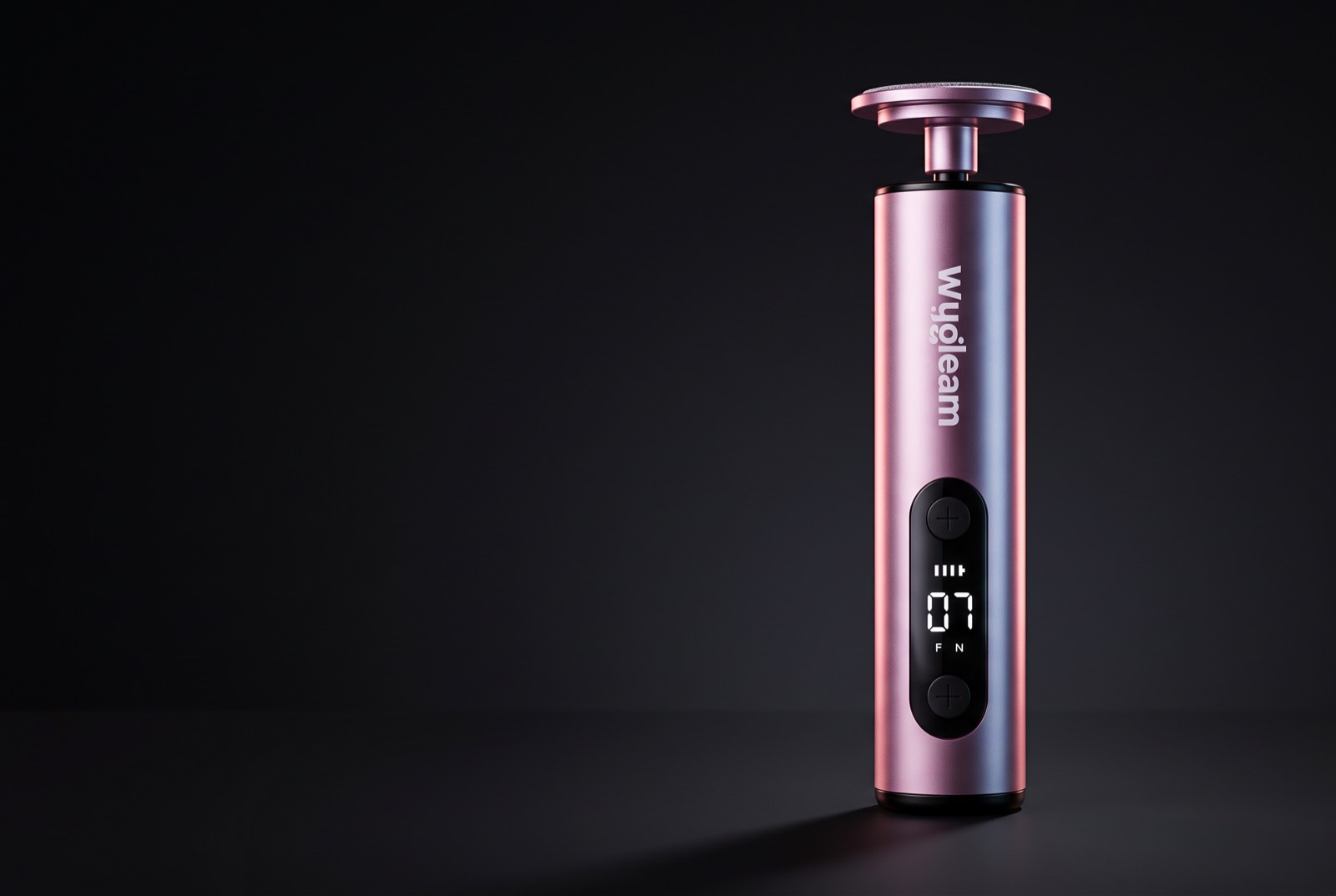
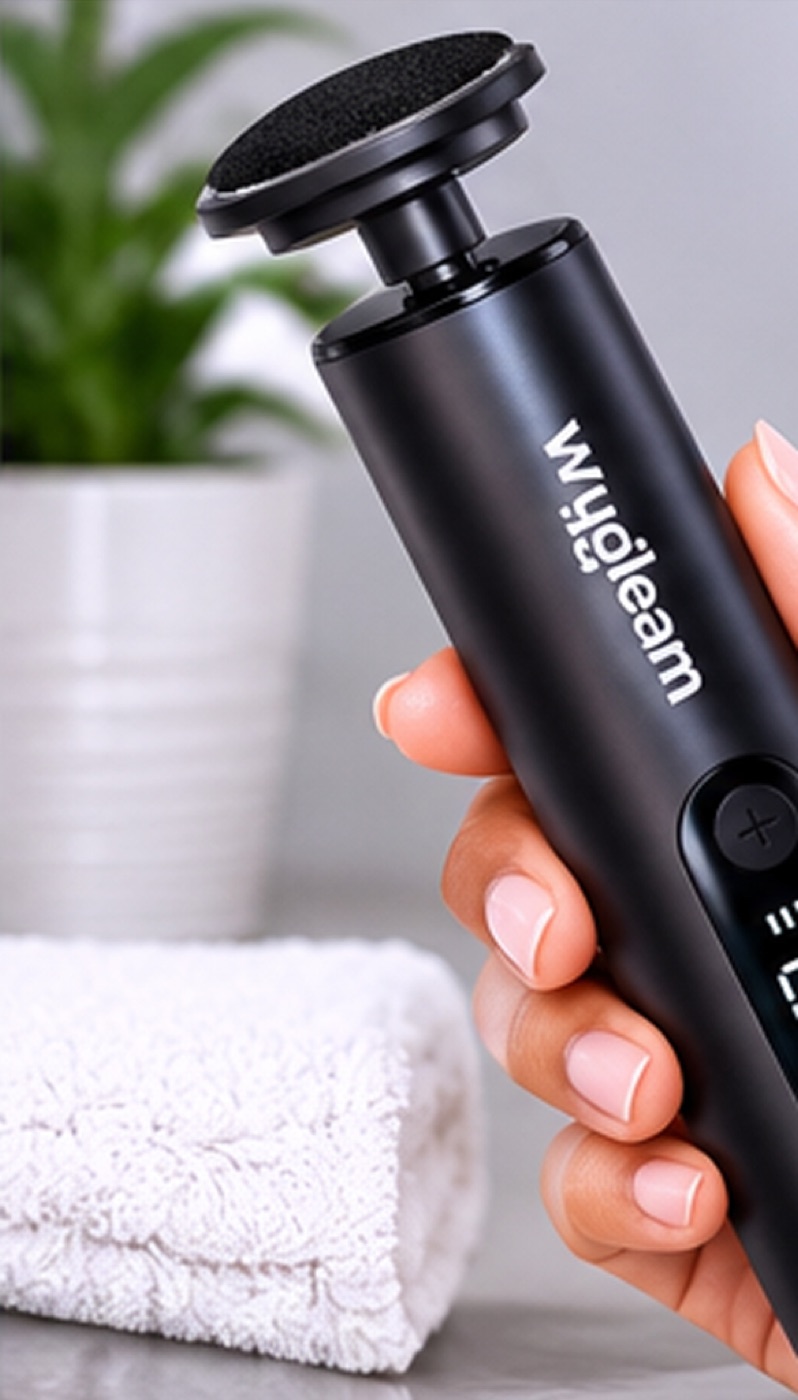
An electric foot file — also called an electric callus remover — is a handheld device with a motorised, rotating head covered in an abrasive surface (sandpaper discs, a mineral roller, or a grinding wheel). As the head spins, it gently sands away the hardened, dead skin that forms calluses and rough patches, mainly on the heels and the balls of the feet. The Wygleam 2-in-1 electric callus remover works this way, with a dual-rotation sanding head and a separate nail file head for finishing nails.
The appeal over a pumice stone or manual rasp is simple: the motor does the work, so results are faster and far less tiring, and a good device gives a more even finish. If you are still deciding between tool types, see our full comparison of electric vs manual callus removers. If you already have one, read on.
Before you start
A few minutes of prep makes the whole session safer and more effective:
- Charge the device. A cordless file that slows down mid-session drags and files unevenly. Top it up fully — Wygleam charges over USB-C with the included cable.
- Check the skin. Your skin should be clean, dry and intact. Do not file over cuts, cracks that have opened, blisters, or any irritated, red or infected area.
- Dry vs damp. Most electric foot files, including Wygleam, are designed for use on clean, dry skin — this is the opposite of a pumice stone, which needs a soak. Always follow your device's own instructions, because using the wrong tool wet can clog or damage the head.
- Fit the right head and grit. Use a coarser disc for thick build-up and a finer one to smooth afterward. Make sure the head is clicked in securely.
- Get comfortable. Sit down, rest your foot on your opposite knee or a stool, and work in good light so you can see your progress.
Step-by-step: how to use an electric foot file
- Start on the lowest speed. Switch on and begin at the slowest setting. You can always speed up; you cannot un-file skin. Wygleam offers three speeds plus clockwise and counter-clockwise rotation.
- Apply light pressure. Let the abrasive head do the work — press just firmly enough to make contact. Pushing hard does not remove more skin faster; it only generates heat and risks going too deep.
- Keep the head moving. This is the single most important rule. Glide the file back and forth across the callused area in slow, steady passes. Never hold it still on one spot, which is what causes friction burns and over-filing.
- Work in short bursts. Run the file over an area for a few seconds, then lift off and check. Repeat. Little and often beats one long grind.
- Check your progress constantly. Wipe away the fine dust and look at the skin. You are aiming for a smoother surface, not baby-soft skin in one sitting. The moment skin looks pink, feels warm, or turns tender — stop on that spot.
- Switch to a finer grit to finish. Once the bulk of the callus is reduced, a finer disc buffs the surface smooth and even.
- Do the edges and heel last. The heel rim and the sides of the feet are where build-up is thickest; tackle them once your hand is steady and you have a feel for the pressure.
Low speed, light pressure, keep it moving, and stop while there is still a little callus left. You can always do more next week — you cannot give skin back.
Speed should come from the tool — not from pressing harder.
Aftercare
What you do after filing determines how long the results last:
- Rinse and dry. Wash off the filed dust with warm water and pat dry.
- Moisturise generously. Massage in a rich foot cream — ideally one with urea, lactic acid or shea butter. This is non-negotiable; freshly filed skin re-hardens fast without it.
- Seal it in overnight. For stubborn dryness, apply a thick layer of cream and sleep in cotton socks so it absorbs fully.
- Clean the device. Remove the head, brush off the dust, and wipe the body with a dry or barely damp cloth. Do not submerge it. Replace sanding discs once the grit wears smooth.
The tool for the job
Wygleam 2-in-1 Electric Callus Remover
Three speeds, dual rotation and 20 replacement grit discs give you the control this guide calls for — coarse to reduce, fine to finish. Cordless, USB-C rechargeable, with a nail file head included. Available in Black or Pink on Amazon.
Choosing the right grit and head
Getting the finish right is mostly about using the correct abrasive for the stage you are at. Most electric foot files, including Wygleam, come with interchangeable sanding discs or heads in more than one grit:
- Coarse grit is for the heavy lifting — reducing a thick, established callus. It removes skin faster, so it needs the lightest touch and the most frequent checking.
- Fine grit is for finishing. Once the bulk of the callus is gone, switching to a finer surface buffs the skin smooth and even, leaving that salon-finished feel rather than a rough, scuffed patch.
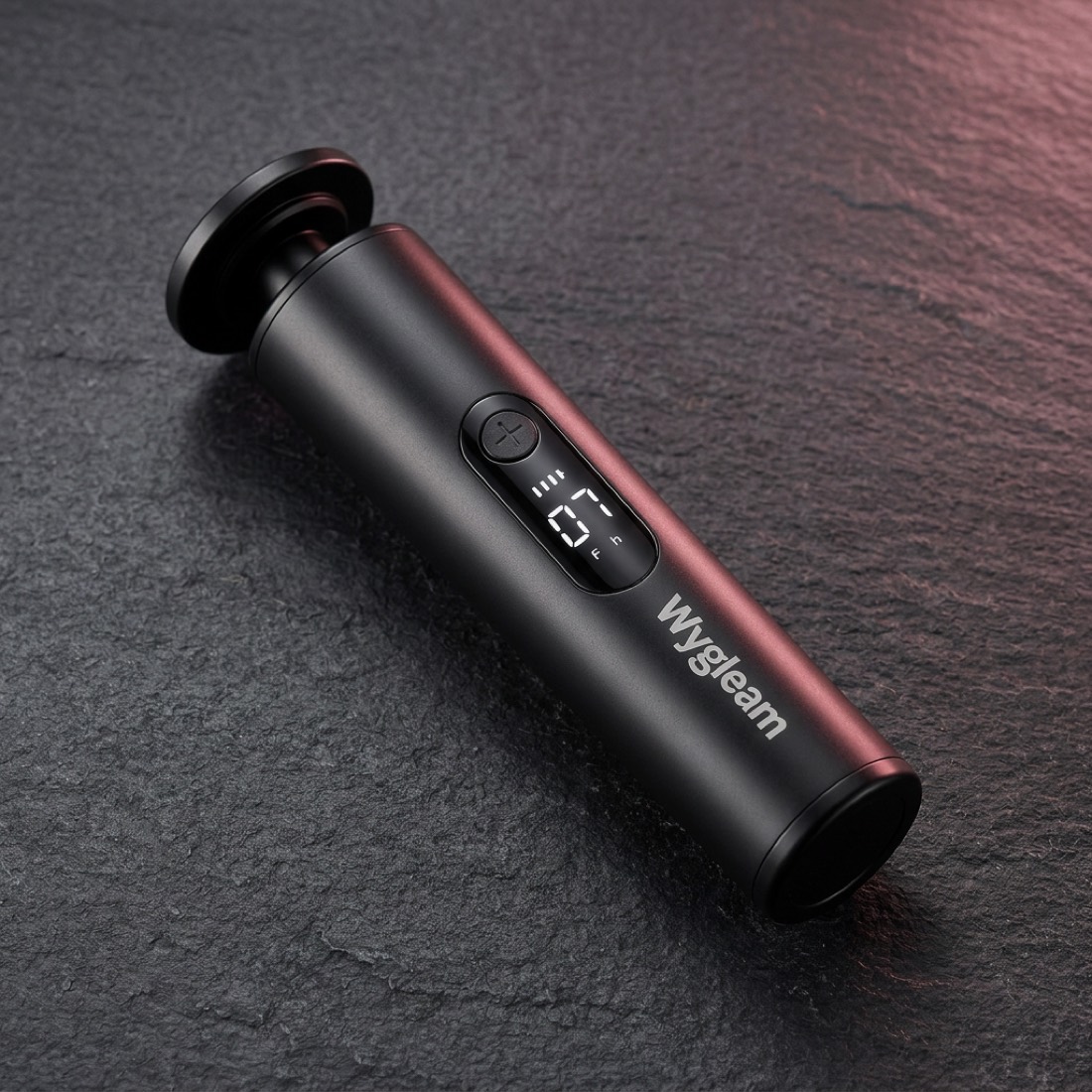
A simple rule: start coarse only if the callus genuinely warrants it, and always finish fine. If your feet only need light maintenance, the fine head alone may be all you ever use. Replace any disc once the grit has worn smooth — a clogged or polished head stops cutting and just generates heat. If your device also has a separate nail file head, keep it for nails only; do not mix the callus and nail heads, as the grits and shapes are designed for different jobs.
How often should you use it?
For most people, one light session every one to two weeks keeps feet smooth without irritating the skin. That rhythm works because you are only ever removing a thin layer, so the callus thins gradually and the skin never gets a chance to feel raw. In between sessions, daily moisturising does the real maintenance.
Resist the urge to file more often in pursuit of perfectly soft skin — using the file every day, or grinding away in long sessions, is the fastest way to over-thin the protective skin and leave your feet sore or sensitive. If you find you genuinely need to remove thick build-up more than once a week, the cause is usually footwear or pressure rather than a filing problem; our guide on how to remove calluses from feet covers prevention in detail. Seasonal skin matters too: heels often dry out and thicken faster in winter and in open sandals, so you may file a little more in those months and less the rest of the year.
Common mistakes to avoid
- Holding the file in one spot. The fastest route to a friction burn. Always keep it gliding.
- Pressing too hard. Pressure generates heat and removes skin unevenly. Let the grit, not your arm, do the work.
- Chasing perfectly soft skin in one session. Over-filing exposes tender skin and can leave your feet sorer than the callus did. Reduce a little, come back in a week or two.
- Filing wet skin when the device is made for dry use (or vice versa). Check the manual.
- Skipping moisturiser. Without it, the callus simply rebuilds.
- Using a worn-out disc. A smooth, clogged head just creates heat and friction without sanding. Swap it.
Safety & who should not use one
An electric foot file is a cosmetic grooming tool, not a medical device. Used gently it is safe for ordinary calluses and rough skin, but it is not for everyone. Do not use one at home — check with a doctor or podiatrist first — if you have diabetes, neuropathy, peripheral artery disease or any reduced sensation or circulation in your feet, because you may not feel over-filing happening and small wounds can become serious. Also skip it over broken, infected, bleeding or painful skin, and keep the device away from children. If a callus is painful, keeps cracking, or returns aggressively no matter what you do, that is a sign to see a professional rather than file harder.
Frequently asked questions
Do you use an electric foot file on wet or dry feet?
Most electric foot files, including Wygleam, are designed for clean, dry skin — unlike a pumice stone, which needs softened, soaked skin. Using the wrong one wet can clog the head, so always check your device's instructions first.
How long should I use an electric foot file for?
Only a few minutes per session, in short bursts with frequent checks. Stop as soon as the skin is noticeably smoother. One light session every one to two weeks is the right rhythm for most people.
Why does my electric foot file feel hot?
Heat means friction — usually from pressing too hard, holding the head in one place, or using a worn disc. Ease off the pressure, keep the head moving, and replace the disc if the grit has smoothed down.
Can beginners use an electric foot file?
Yes. Start on the lowest speed, use light pressure, keep the head moving and check often. Within a session or two you will learn exactly how much pressure your skin needs.
How do I clean and maintain it?
Remove the head, brush away the dust and wipe the body with a dry or lightly damp cloth — never submerge it. Replace sanding discs when the grit wears smooth, and store it somewhere dry.